Move beyond seasonal colorways and hyped collabs. We analyze the five macro-trends—from bio-fabricated materials and hyper-personalization to the ‘quiet luxury’ aesthetic—that will fundamentally reshape sneaker design, culture, and value by 2026. The era of hype defined by a single, monolithic release calendar is giving way to a more fragmented, nuanced, and purpose-driven market. This isn’t about predicting the next “It” colorway; it’s about understanding the foundational shifts that will redefine what a sneaker is, who it’s for, and what it represents. Let’s move beyond the hype and explore the five key trends that will define the future of sneaker design and culture in 2026.
1. The Rise of Bio-Fabricated and Lab-Grown Materials
While recycled polyester and organic cotton have become table stakes, the next frontier in sustainable sneaker materials is bio-fabrication. By 2026, we will see a significant shift from recycled inputs to grown inputs. Imagine uppers grown from mycelium (mushroom roots), midsoles fermented from algae or sugarcane waste, and dyes derived from bacteria. This isn’t science fiction; it’s the logical evolution of sustainability from “less bad” to “regenerative.”
Brands like Adidas, with their Mylo™ mushroom leather, and Bolt Threads are already pioneering this space. The key driver is performance parity. Early sustainable materials often sacrificed durability or feel. The new generation of bio-materials, however, is being engineered to match or exceed the performance of petroleum-based counterparts. A 2023 report from Material Innovation Initiative projected the next-gen materials market to reach $2.2 billion by 2026, with footwear being a primary application.
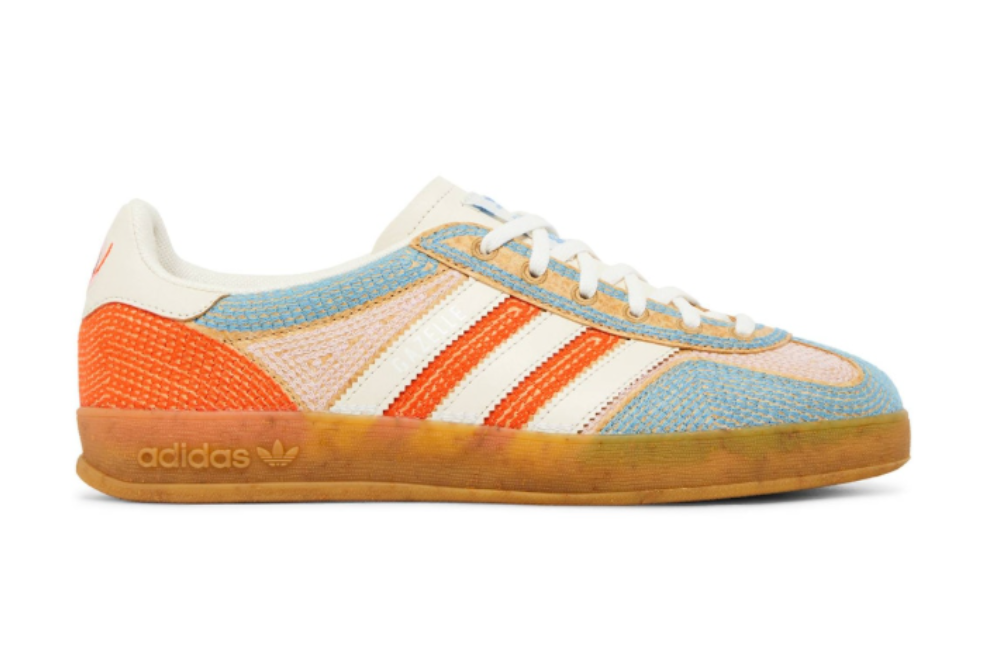
Shop Sean Wotherspoon x adidas Gazelle Indoor 'Mylo' on Novelship!
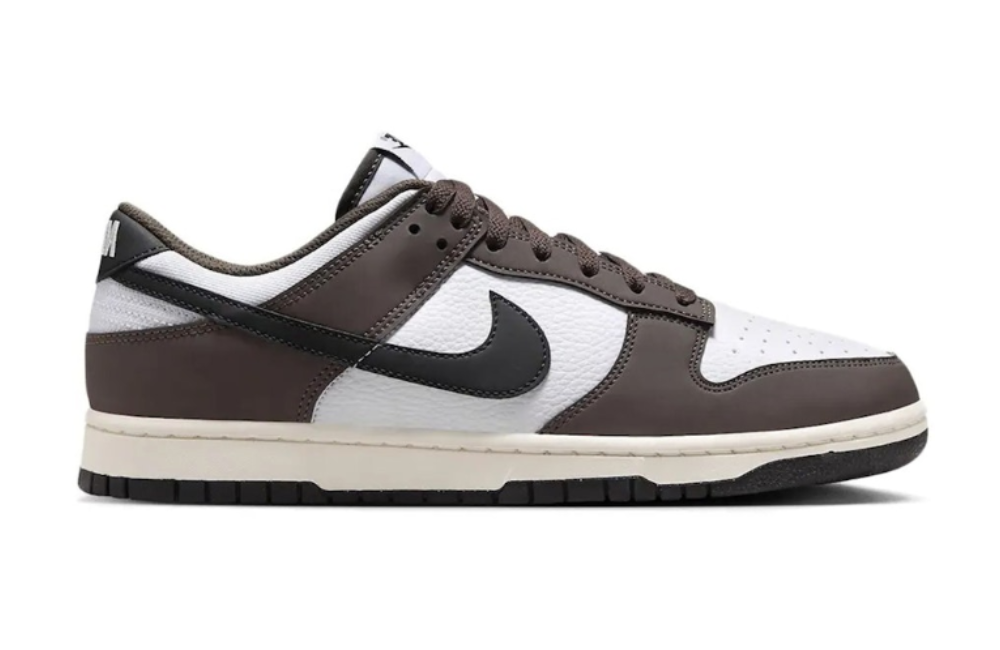
Shop Nike Dunk Low Next Nature 'Cacao Wow' on Novelship!
What This Means for Collectors:
New Storytelling: The narrative shifts from “which factory” to “which lab.” Provenance will include the source organism and fermentation process.
Inherent Uniqueness: Natural variations in grown materials could make each pair subtly unique, adding a new dimension to limited editions.
Long-Term Value: Sneakers that are truly circular (designed to biodegrade or be broken down and re-grown) may challenge traditional notions of “deadstock” and archival value.
2. Hyper-Personalization and On-Demand Manufacturing
The one-size-fits-all release model is reaching its expiration date. Advances in 3D scanning, generative AI design, and localized micro-factories will enable true hyper-personalization by 2026. We’re moving beyond choosing a color on Nike By You; we’re entering an era where the last (the foot-shaped form), cushioning density, and upper structure can be tailored to an individual’s biomechanics and aesthetic preferences.
Brands like New Balance have long championed width sizing, and Adidas’ FUTURECRAFT.Strung project demonstrated the potential of data-driven, automated manufacturing. The convergence of these technologies will democratize customization. The result your sneaker will be a true 1-of-1, produced in a regional hub days after you order it, drastically reducing overproduction and inventory waste—a core inefficiency in the current sneaker industry.
What This Means for Collectors:
The End of Sizing Issues: Perfect fit becomes the baseline expectation.
Shift in Hype: Hype may pivot from chasing a general release to owning a uniquely personal design algorithm or signature template.
Blurred Lines: The distinction between performance running shoe and lifestyle sneaker dissolves, as each pair is optimized for its owner’s specific use case.
3. The "Quiet Luxury" Aesthetic Infiltrates Sneaker Design
Loud logos, chaotic collabs, and overt branding are making room for sophistication and material integrity. Borrowing from fashion’s “quiet luxury” or “old money” trend, sneaker design in 2026 will embrace subtlety, premium natural materials (think suede, buttery leathers, wool), and tonal color palettes. The statement won’t be the logo; it will be the craftsmanship.
We see early signals in brands like Kith’s refined collaborations, the continued success of Common Projects’ Achilles Low, and even Nike’s reinterpretation of classic silhouettes with luxe materials. This trend is a direct response to post-hype sneaker culture, where consumers, fatigued by the frenzy, seek enduring style over transient trends. It’s a move towards timelessness in a historically trend-driven space.
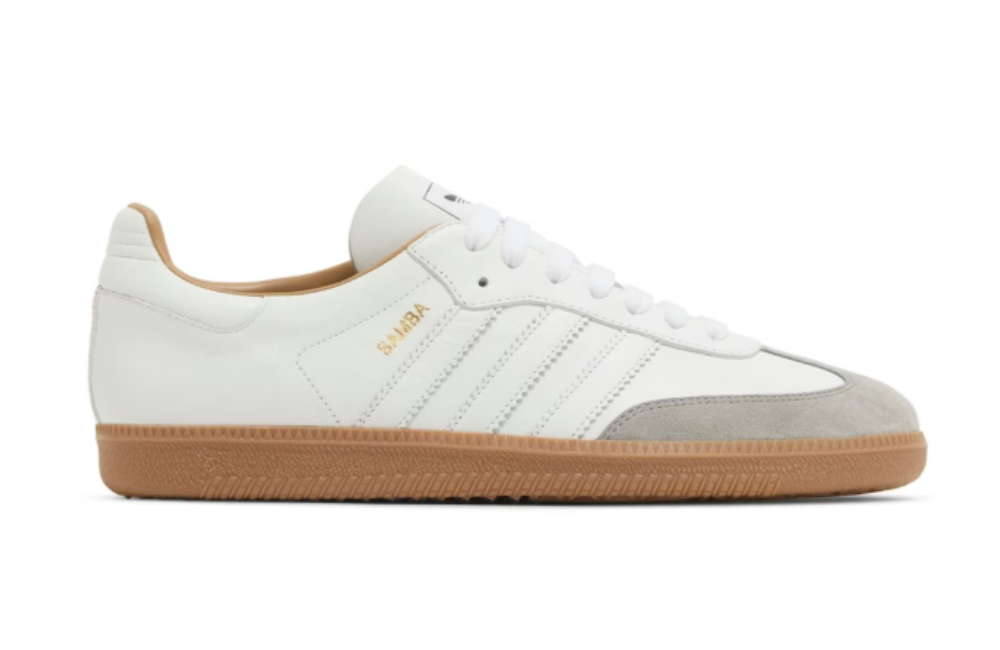
Shop adidas Samba Made in Italy 'White Gum' on Novelship!
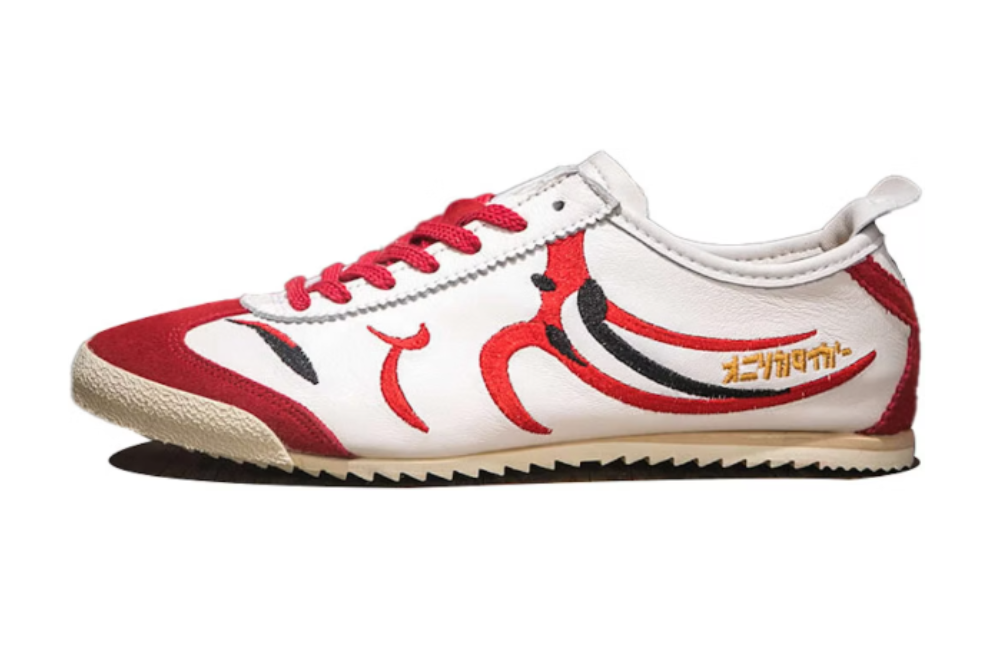
Shop Onitsuka Tiger Mexico 66 Deluxe Kabuki Nippon Made 'White Red' on Novelship!
What This Means for Collectors:
Focus on Silhouette: Clean, iconic shapes will be paramount.
Material as Hero: Descriptions will highlight tannery origins and material treatments over celebrity endorsements.
Collaboration Evolution: Brand partnerships may shift from streetwear labels to heritage craftsmen—tanneries, wool mills, or even furniture designers.
4. Digital-Physical Hybrids and Phygital Provenance
The sneaker of 2026 will exist simultaneously in your closet and in the digital realm. Near-Field Communication (NFC) chips or other digital IDs embedded in every pair will become standard, creating an unbreakable chain of custody from factory to foot. This “phygital” link will unlock exclusive content, verify authenticity (a game-changer for resale), and tell the product’s full lifecycle story.
This goes beyond the current NFT-linked drops. It’s about creating a persistent digital twin. Scan your sneaker with your phone to access its design story, material origins, limited-edition digital art, or even an invite to an IRL event. For collectors, this digital layer becomes part of the archive. As blockchain technology matures, owning the physical sneaker could grant verifiable ownership of its digital assets, creating a new category of collectible value.
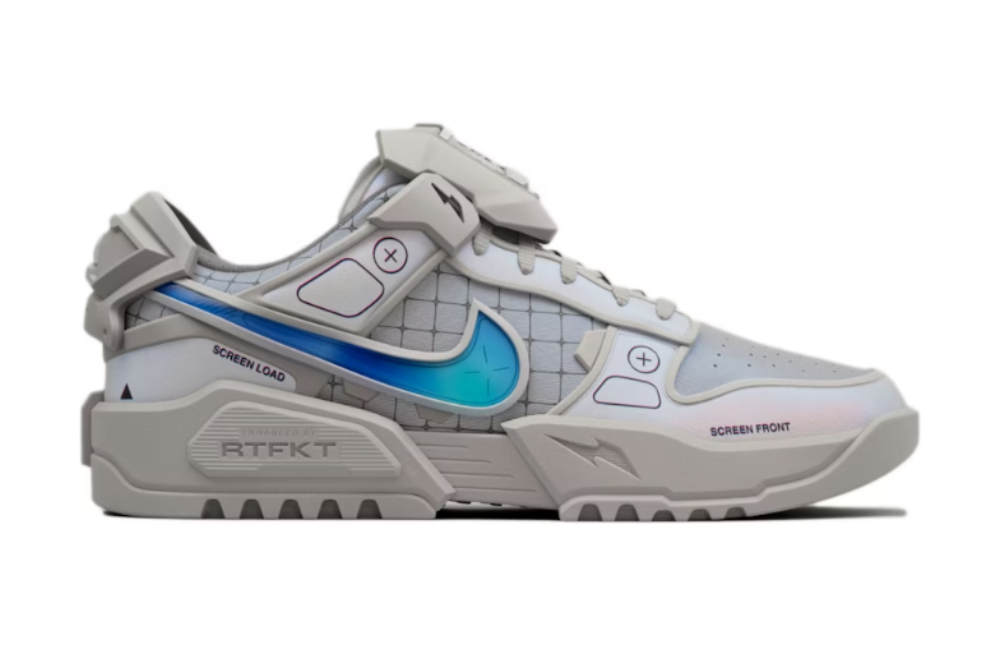
Shop RTFKT x Nike Dunk Genesis 'OG' on Novelship!
What This Means for Collectors:
Death of the Fake: Embedded digital IDs could render high-quality counterfeits obsolete, as authenticity is verified cryptographically.
Enhanced Storytelling: The history of a pre-owned sneaker—previous owners, events attended—could become part of its appeal and value.
New Collection Metrics: Completing a “set” may involve collecting both the physical sneaker and its evolving digital accessories or skins.
5. The Era of the Regional Powerhouse and Micro-Collaborations
The global sneaker narrative, long dominated by US heritage and European luxury, will further decentralize. By 2026, we will see the solidification of regional powerhouses whose influence is felt worldwide. Think of brands like Hoka and Salomon (performance-driven, now lifestyle staples), Asics (with its deep archive and premium lines), and emerging players from South Korea, Africa, and South America.
Concurrently, mega-collaborations will be rivaled by hyper-localized, micro-collaborations. Instead of a brand partnering with a global pop star, we’ll see more partnerships with local artists, community gardens, indie bookstores, or even a beloved neighborhood café. These releases will be small-batch, deeply meaningful to a specific community, and distributed through non-traditional channels. This trend feeds the desire for authenticity and connection in post-hype sneaker culture.
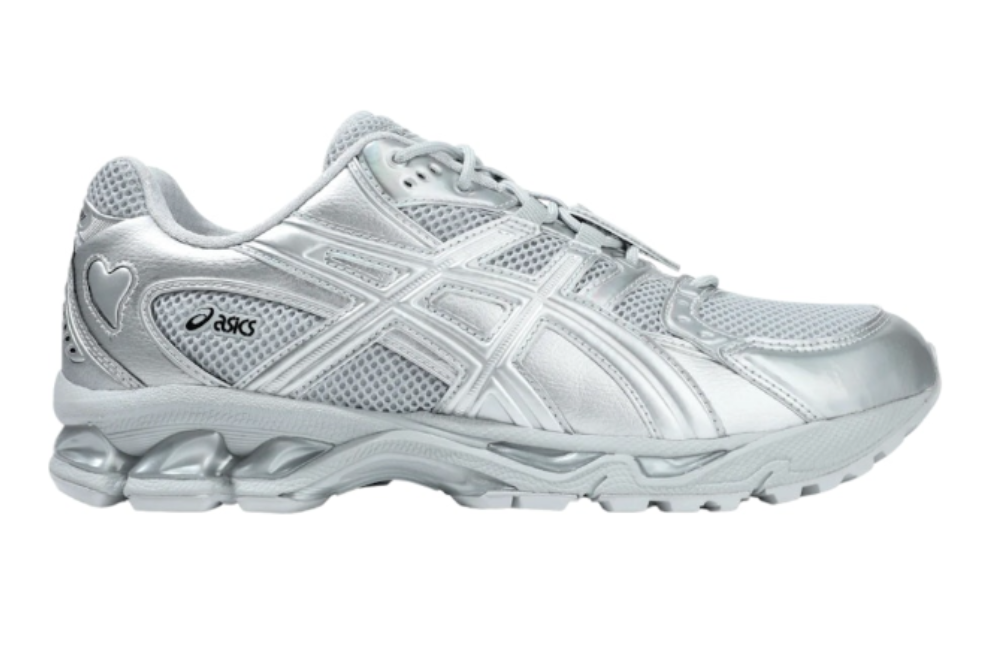
Shop Kimhēkim x ASICS Gel Nimbus 10.1 'Pure Silver' on Novelship!
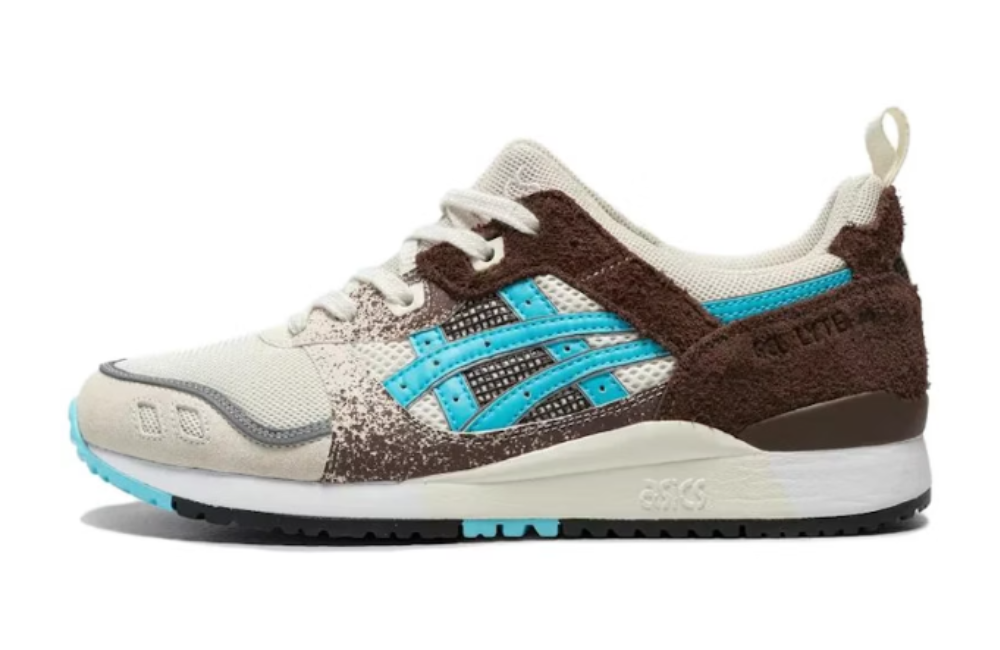
Shop Up There x ASICS Gel Lyte 3 'Kookaburra' on Novelship!
What This Means for Collectors:
Diverse Influences: Future sneaker design will draw from a richer, more global pool of aesthetic and functional inspiration.
Community as King: The most coveted releases might be those that are impossible to get unless you’re part of a specific geographic or cultural community.
Resale Market Shift: The value of micro-collab releases may be highly niche, challenging the global resale pricing model.
Conclusion: A More Intelligent, Personal, and Sustainable Future
The sneaker trends of 2026 point toward a market that is maturing. It’s moving away from pure spectacle and towards substance, away from mass homogeneity and towards personal relevance. The convergence of material science, digital technology, and shifting consumer values is creating a new paradigm. Sneakers will become more intelligent (with digital souls), more personal (in fit and design), and more responsible (in their material makeup).
For collectors and enthusiasts, this is an exhilarating shift. The game is no longer just about what you know, but also what you value. It will reward deep knowledge of materials, an eye for enduring design, and a connection to community. The hype isn’t disappearing; it’s simply being redefined around innovation, integrity, and individuality.
Ready to future-proof your collection? At Novelship, we’re not just tracking the next drop; we’re analyzing the trends that will shape the next decade. Stay ahead of the curve—browse our curated selection of sneakers that already hint at this future, from innovative material constructions to designs that defy the hype cycle. The future of sneaker culture starts now.
What is the primary shift in sustainable materials predicted for 2026?
The trend is moving from “recycled” materials to “bio-fabricated” or lab-grown inputs. Instead of just using recycled plastic, brands will use uppers grown from mycelium (mushrooms), midsoles fermented from algae, and dyes derived from bacteria.
How will "Hyper-Personalization" change the way we buy sneakers?
By 2026, the industry will move away from the “one-size-fits-all” model. Using 3D scanning and AI, sneakers will be tailored to an individual’s specific biomechanics, adjusting everything from the foot-shaped form (the last) to the density of the cushioning.
What defines the "Quiet Luxury" aesthetic in sneaker design?
This trend focuses on subtlety and craftsmanship rather than loud logos or chaotic collaborations. It emphasizes high-quality natural materials like buttery leathers and wool, using tonal color palettes to create a timeless look.
What is a "Phygital" sneaker?
A “Phygital” sneaker is a physical shoe that has a persistent digital twin. Through embedded NFC chips, the physical product is linked to a digital ID that verifies authenticity and unlocks exclusive digital content or experiences.
What are "Micro-Collaborations," and why are they rising?
Instead of partnering with global celebrities, brands are starting to collaborate with local community icons, such as neighborhood cafes, indie bookstores, or local artists. These small-batch releases focus on authenticity and deep community connection.