Wide Feet Aren't Rare, So Why Is Finding Shoes So Hard?
If you’ve ever squeezed into a “true to size” sneaker only to feel your pinky toe screaming for mercy by lunchtime, you’re not alone. Wide feet are far more common than the sneaker industry likes to admit. Studies suggest a significant chunk of people, especially as they age or log serious mileage, have feet wider than the “standard” lasts most shoes are built on.
The problem isn’t your feet. It’s that most mainstream sneakers are designed around a narrow-to-medium default. So when your foot doesn’t fit the mold, you get pinching, hot spots, numb toes, and that telltale bulge over the side of the shoe.
The good news? Once you know what to look for, finding sneakers that actually fit wide feet becomes way less painful, literally and figuratively. This guide walks you through how to check your width, measure at home, decode confusing size labels, and cop pairs that give your feet room to breathe.
How to Know If You Have Wide Feet: The Self-Check Signs
Before you measure anything, here are the everyday signs that point to wide feet:
The pinky-toe pinch: Your outer toes feel compressed or rub against the side of the shoe.
Side bulge: The upper material visibly stretches or bulges over the edge of the sole.
Lace pressure: You have to loosen the laces way more than normal, or the eyelets pull far apart.
Quick wear on the sides: Your shoes break down or crease unusually fast along the outer edges.
“Loose but tight” feeling: Shoes feel long enough but still cramped across the ball of your foot.
Red marks or sore spots: You notice marks across the widest part of your foot after taking shoes off.
If two or more of these sound familiar, there’s a strong chance you’ve got wide feet, and it’s time to measure.
How to Measure Your Foot Width at Home (Paper + Ruler Method)
You don’t need fancy tools. Just paper, a pen, and a ruler. Do this in the afternoon or evening, when your feet are naturally at their largest.
Step 1: Place a sheet of paper on a hard floor against a wall.
Step 2: Stand on the paper with your heel lightly touching the wall. Keep your weight evenly distributed, standing gives a more accurate read than sitting.
Step 3: Trace around your foot, holding the pen straight up and down (not angled).
Step 4: Measure the widest part of the tracing, usually across the ball of your foot. That number is your foot width.
Step 5: Measure both feet. They’re often slightly different, so always go with the larger one.
Compare your width measurement against a brand’s size chart to find your fit. Pro tip: also measure your length (heel to longest toe) at the same time so you nail both dimensions.
What to Look For: Width Labels, Toe Box, and Upper Material
Here’s how to read a sneaker like someone who knows the wide-fit game.
Width labels (the letters next to your size):
B = Narrow (women’s standard)
D = Standard/Medium (men’s standard)
2E (or EE) = Wide
4E (or EEEE) = Extra Wide
If you see a “D” with no other note, that’s a regular-width men’s shoe. For wide feet, you’re hunting for 2E or 4E labels, or brands known to run roomy by default.
Toe box shape: Look for a rounded or square toe box rather than a sharp, tapered point. The toe box is where wide feet need the most room, a generous one lets your toes splay naturally instead of getting funneled together.
Upper material: Knit and mesh uppers flex and stretch, accommodating wider feet comfortably. Soft leather breaks in and molds over time. Stiff synthetic or structured leather has little give, so it tends to be less forgiving for wide feet.
8 Best Sneakers for Wide Feet on Novelship
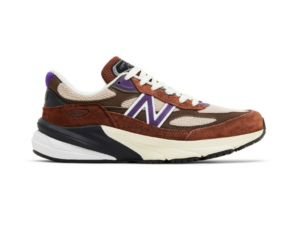
New Balance 990v6 Made in USA ‘Rich Oak Cosmic Grape’
The wide-foot icon. Available in multiple widths, premium cushioning, and a roomy fit that all-day wearers swear by.
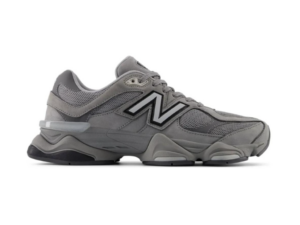
New Balance 9060
Chunky, trend-forward, and accommodating. The retro-futuristic look that doesn’t sacrifice comfort.
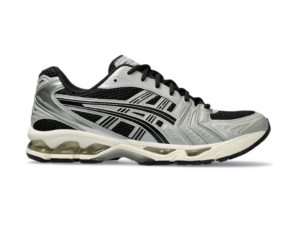
ASICS Gel-Kayano 14 ‘Black Seal Grey’
A retro-runner favorite with a forgiving toe box and that plush GEL cushioning. Style and space in one.
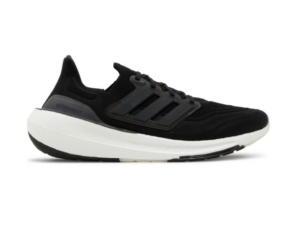
adidas Ultraboost Light
The stretchy Primeknit upper adapts to wider feet while delivering signature Boost bounce.
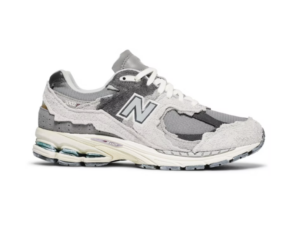
New Balance 2002R
Comfort-first design with a relaxed fit and standout colorways. A reliable daily driver.
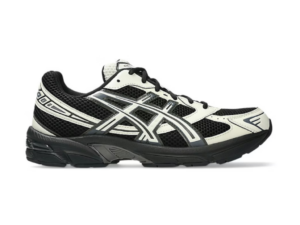
ASICS Gel-1130
Chunky, trend-forward, and accommodating. The retro-futuristic look that doesn’t sacrifice comfort.
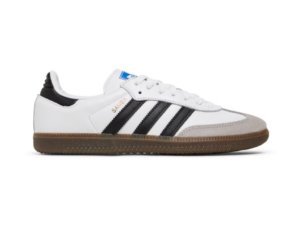
adidas Samba (Wide-Friendly Sizing)
A timeless classic, just consider sizing up a half. Soft leather upper breaks in nicely for wider feet.
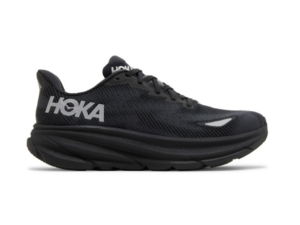
Hoka Clifton 9
Maximum cushioning with a wide variant available. Ideal for wide feet logging real miles.
Styling Tips: How to Make Wide-Fit Sneakers Look Sharp
Wide-fit doesn’t mean clunky. Here’s how to keep your fits clean:
Lean into chunky silhouettes. Models like the 990v6 or 9060 are supposed to look substantial, so a wider build reads as intentional, not awkward.
Balance your proportions. Pair bulkier sneakers with tapered or cuffed pants to keep the look sharp and let the shoe shine.
Pick clean colorways. Monochrome and tonal pairs look sleek and elongate the foot visually.
Mind your sock game. Low-profile or no-show socks keep the focus on the fit, while a clean crew sock can complete a streetwear look.
Confidence is the real flex. A shoe that actually fits looks and wears better than a cramped “cooler” one every time.
Should I size up for wide feet?
Sizing up adds length, not width, so it’s a band-aid, not a fix. You might gain a little room, but you’ll likely get heel slippage and a sloppy fit. The better move is to buy a true wide size (2E/4E) or choose a brand/model known to run wide.
What does 2E and 4E mean?
They’re width measurements. 2E is “wide” and 4E is “extra wide” for men (women’s wide sizing uses different letters like D). The more E’s, the more room across the ball of your foot.
Are knit sneakers better for wide feet?
Often, yes. Knit and mesh uppers flex and stretch to accommodate width more comfortably than stiff, structured materials.
Can wide feet still wear classic sneakers like Sambas or Converse?
Yes, but choose wisely. Softer leather styles break in and adapt over time. You may need to size up slightly or look for wide variants where available.
Do my feet get wider over time?
They can. Age, weight changes, pregnancy, and years of impact can all gradually widen feet, which is why measuring periodically is smart.
Ready to Give Your Feet the Room They Deserve?
Wide feet aren’t a problem to fix, they just need the right fit. Now that you know how to measure, decode width labels, and spot the brands that actually deliver, you’re set to cop sneakers that feel as good as they look. No more pinched toes. No more side bulge. Just clean, comfortable kicks that fit the way they should.
And now’s the moment to make the move. From 6–10 June 2026, our Mid-Year Sale is live across Singapore, Malaysia, Taiwan, Hong Kong, and Indonesia — use code MIDSALE6 at checkout for 6% OFF all products, with no minimum purchase. Whether you’ve been eyeing a New Balance, an adidas Samba, or one of the wide-friendly silhouettes mentioned above, you can stack the savings on every pair, every time you shop. One less reason to settle for sneakers that don’t fit right. Shop the wide-fit collection on Novelship and step into something that finally fits.